Amylase
Amylase is an enzyme that plays a crucial role in the digestive process, specifically in breaking down carbohydrates into simple sugars, thereby aiding in efficient nutrient absorption and digestion.


Anti-inflammatory

Digestion

Mood regulation


Origin of Ingredient
Amylase is naturally produced in the human body, primarily in the saliva and the pancreas. Its production is a key part of the digestive process. Commercial amylase is typically extracted from microbial sources, such as fungi and bacteria, or from plant sources like barley and soy.
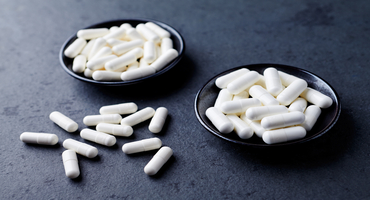
These commercial enzymes are produced through fermentation processes, making them highly concentrated and effective for supplemental use, especially in digestive aids.
History of Ingredient
Enzymes like amylase have been recognized for their digestive importance since the early 20th century. Initially, their study was focused on understanding human and animal physiology, but soon, their industrial applications, particularly in food processing and medicine, were realized.
The supplementation of amylase has become popular in recent decades, particularly in the context of improving digestive health and treating conditions like pancreatic insufficiency, where the body does not produce enough natural enzymes.
Scientific Makeup of Ingredient
Amylase is a protein that catalyzes the hydrolysis of starch into sugars like maltose and dextrin. It is classified into two main types: alpha-amylase, which acts on random interior bonds within the starch molecule, and beta-amylase, which works from the non-reducing end of the starch molecule.
This enzyme is crucial not only for digestion but also for various industrial applications where the breakdown of starch is necessary, such as in textile manufacturing, brewing, and paper production.
Numerous studies have demonstrated that supplementary amylase can significantly improve symptoms of indigestion, particularly those caused by high-starch meals. This is particularly beneficial for individuals with enzyme deficiencies or those who consume high-carbohydrate diets.
Further research indicates that amylase supplementation can help manage conditions like exocrine pancreatic insufficiency, where the pancreas produces insufficient enzymes for proper digestion, thereby improving quality of life and nutritional status.
In many countries, including the United States and the European Union, amylase as a dietary supplement is regulated to ensure safety and efficacy. Claims regarding its digestive benefits must be substantiated by scientific evidence.
Manufacturers must adhere to strict guidelines when marketing amylase supplements, particularly in terms of dosage, purity, and potential allergenicity, to ensure that these products are both safe and effective for consumer use.