Hyaluronic Acid
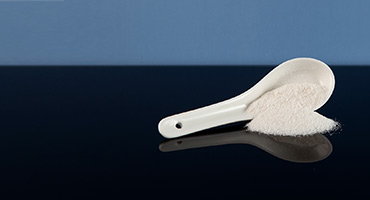
Hyaluronic acid is a naturally occurring substance in the body, known for its ability to retain moisture and improve skin hydration and elasticity.


Bone health

Metabolism

Skin health


Origin of Ingredient
Hyaluronic acid is found naturally in various tissues and fluids within the human body, including the skin, eyes, and connective tissues. Commercially, it can be derived from natural sources such as rooster combs or synthesized through bacterial fermentation processes to produce a pure, high-quality form of the substance.
History of Ingredient
Discovered in the 1930s, hyaluronic acid has since become a vital component in medical and cosmetic applications. Initially used in eye surgeries and joint disorders, it has gained popularity in the beauty industry for its remarkable ability to hydrate and rejuvenate the skin. The development of hyaluronic acid-based dermal fillers in the late 20th century revolutionized aesthetic treatments, making it a staple in anti-aging skincare.
Scientific Makeup of Ingredient
Hyaluronic acid is a glycosaminoglycan, a type of molecule composed of long chains of sugars (polysaccharides). It has an extraordinary capacity to hold water—up to 1,000 times its weight—making it a key molecule involved in maintaining skin hydration. In the body, it serves various functions, including lubricating joints, maintaining skin elasticity, and facilitating wound healing.
Studies have demonstrated that hyaluronic acid can significantly enhance skin hydration, reduce the appearance of fine lines and wrinkles, and improve skin elasticity. In joint health, it acts as a lubricant and shock absorber, helping to alleviate symptoms of osteoarthritis. Clinical research also supports its role in promoting wound healing by accelerating tissue repair and reducing inflammation.
Hyaluronic acid is widely approved for use in cosmetic products, dietary supplements, and medical treatments in many countries, including the United States, the European Union, and various Asian nations. Legal claims about hyaluronic acid include its benefits for skin hydration, anti-aging, joint health, and wound healing. Always ensure compliance with local regulatory guidelines when making specific health claims.