D-Aspartic acid
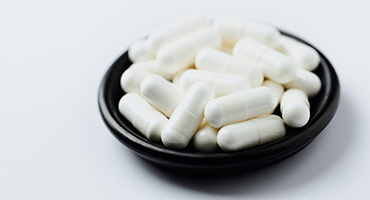
D-Aspartic Acid is an amino acid that plays a crucial role in the synthesis of testosterone, known for its potential to enhance athletic performance and support muscle growth.


Metabolism
Skin health

Workout performance


Origin of Ingredient
Curcumin is derived from the rhizomes of the turmeric plant (Curcuma longa), which is native to South Asia, particularly India. The rhizomes are harvested, dried, and ground into a fine powder, with curcumin being extracted for its concentrated benefits. Turmeric has been used for centuries in traditional medicine and cooking.
History of Ingredient
Historically, curcumin has been used in Ayurvedic and Chinese medicine for its healing properties. It was traditionally applied as a remedy for various ailments, including skin conditions, digestive issues, and joint pain. In recent decades, scientific research has validated many of these traditional uses, making curcumin a popular supplement in modern health regimes.
Scientific Makeup of Ingredient
Curcumin is a polyphenol with a chemical structure that allows it to interact with numerous molecular targets in the body. It possesses strong anti-inflammatory and antioxidant properties, which contribute to its ability to modulate various biological pathways. Curcumin’s bioavailability can be enhanced when consumed with piperine, found in black pepper.
Extensive research has demonstrated curcumin’s efficacy in reducing inflammation and oxidative stress. Clinical studies have shown its potential in alleviating symptoms of arthritis, promoting heart health, and protecting against certain types of cancer. Curcumin’s broad-spectrum biological activity supports its use in maintaining overall health and well-being.
Curcumin is approved for use in dietary supplements and functional foods in many countries, including the United States, Canada, the European Union, and Australia. Legal claims regarding curcumin typically emphasize its anti-inflammatory and antioxidant benefits, as well as its role in supporting general health. Compliance with local regulatory guidelines is essential when making specific health claims about curcumin.