Maitake
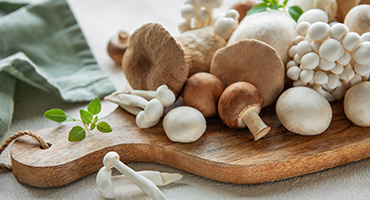
Maitake, also known as Grifola frondosa, is a medicinal mushroom known for its immune-boosting properties, ability to support blood sugar regulation, and potential to promote overall wellness.


Bone health
Gut Health
Immune system


Origin of Ingredient
Maitake mushrooms are native to northeastern Japan and North America, often found growing at the base of oak, elm, and maple trees. The name “maitake” means “dancing mushroom” in Japanese, referring to the joy experienced by those who discovered it in the wild due to its valued health benefits.
History of Ingredient
Historically, maitake mushrooms have been used in traditional Chinese and Japanese medicine for centuries. They were prized for their ability to boost the immune system, improve vitality, and promote longevity. In recent decades, scientific research has confirmed many of the health benefits associated with maitake mushrooms.
Scientific Makeup of Ingredient
Maitake mushrooms contain a rich array of bioactive compounds, including beta-glucans, polysaccharides, and antioxidants. Beta-glucans, in particular, are known for their ability to modulate the immune system and improve immune response. The mushroom also contains vitamins, minerals, and amino acids that contribute to its health-promoting properties.
Studies have shown that maitake mushrooms can boost immune function by enhancing the activity of immune cells such as macrophages and natural killer cells. Research indicates that maitake may help regulate blood sugar levels by improving insulin sensitivity and reducing blood glucose levels. Additionally, the antioxidants and polysaccharides in maitake support overall wellness by protecting against oxidative stress and promoting healthy cellular function.
Maitake is widely approved for use in dietary supplements and functional foods in many countries, including the United States, Canada, and the European Union. Legal claims about maitake include its benefits for immune support, blood sugar regulation, and overall wellness. Always ensure compliance with local regulatory guidelines when making specific health claims.