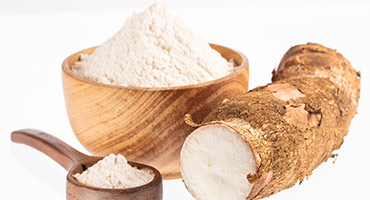
Glucomannan Konjac
Glucomannan, derived from the root of the konjac plant, is a natural, water-soluble dietary fiber known for its ability to support weight management, improve digestive health, and regulate blood sugar levels.


Bone health

Digestion

Weight management


Origin of Ingredient
Glucomannan is extracted from the root of the konjac plant (Amorphophallus konjac), which is native to East Asia. The konjac plant thrives in the tropical and subtropical regions of China, Japan, and Southeast Asia. The root is harvested, dried, and processed to produce glucomannan powder.
History of Ingredient
Konjac has been used in traditional Chinese and Japanese medicine for centuries. It has been valued for its medicinal properties and as a food source. In Japan, konjac is commonly used to make konnyaku, a gelatinous food product. The health benefits of glucomannan have gained recognition in recent years, leading to its popularity as a dietary supplement.
Scientific Makeup of Ingredient
Glucomannan is a polysaccharide composed mainly of glucose and mannose. It has a high molecular weight and forms a viscous gel when mixed with water. This gel-forming property is responsible for its ability to promote satiety, support digestive health, and regulate blood sugar and cholesterol levels.
Studies have shown that glucomannan can aid in weight management by promoting a feeling of fullness, thereby reducing overall calorie intake. It acts as a prebiotic fiber, supporting the growth of beneficial gut bacteria and improving digestive health. Research also indicates that glucomannan can help regulate blood sugar levels by slowing the absorption of carbohydrates and reducing postprandial blood glucose spikes. Additionally, it has been shown to lower LDL cholesterol levels.
Glucomannan is approved for use in dietary supplements and food products in many countries, including the United States, the European Union, and Japan. Legal claims about glucomannan include its benefits for weight management, digestive health, and blood sugar regulation. Always ensure compliance with local regulatory guidelines when making specific health claims.