Caffeine
Caffeine is a natural stimulant commonly found in coffee, tea, and various energy drinks. It enhances alertness and improves physical performance.


Brain health

Metabolism

Mood regulation


Origin of Caffeine
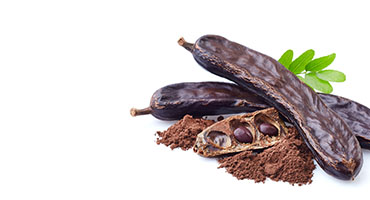
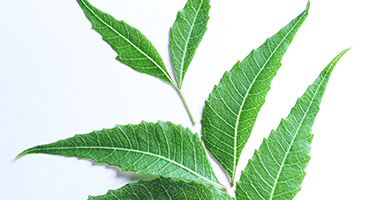
Caffeine is a naturally occurring substance found in the leaves, seeds, and fruits of over 60 plant species. The most well-known sources are coffee beans, tea leaves, and cacao pods.
History of Caffeine
Historically, caffeine has been used for centuries. It was consumed as early as the 9th century in Ethiopia through coffee. Tea has been brewed in China since the 3rd millennium BCE, and cocoa was consumed by the ancient Mayans and Aztecs.
Scientific Makeup of Caffeine
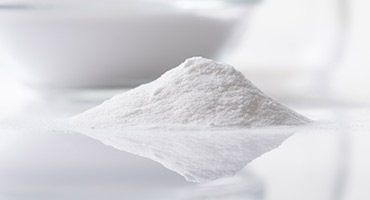
Chemically, caffeine is a xanthine alkaloid. Its structure consists of a purine base, which is common in DNA and RNA. It acts as a central nervous system stimulant by blocking adenosine receptors, thereby preventing drowsiness.
Research shows that caffeine can enhance cognitive function and reduce fatigue. Studies indicate that caffeine can improve endurance and strength performance by increasing adrenaline levels. Caffeine has been found to boost metabolic rate and fat oxidation, aiding in weight management
In the United States and Europe, legal claims for caffeine include enhancing alertness and improving physical performance. However, it must be labeled with caution regarding overconsumption. In Japan, caffeine-containing products must indicate the caffeine content. Research will be needed for other countries not covered in provided documents.