Citric Acid
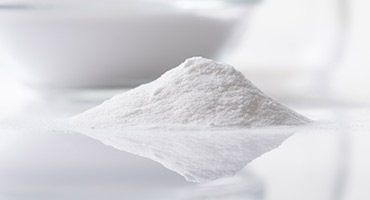
Citric acid is a natural compound found in citrus fruits, known for its antioxidant properties and ability to enhance energy production.


Anti-inflammatory

Digestion

Metabolism


Origin of Citric Acid:
Citric acid is a weak organic acid that occurs naturally in citrus fruits such as lemons, limes, and oranges. It is a key intermediate in the citric acid cycle, a fundamental metabolic pathway that occurs in all aerobic organisms.
History of Citric Acid:
Citric acid has been used since ancient times for its preservative and flavoring properties. Historically, it was extracted from lemon juice, but today it is produced commercially through fermentation processes involving mold. Citric acid has been utilized in culinary applications, cleaning products, and as a key ingredient in various pharmaceuticals and supplements.
Scientific Makeup of Citric Acid:
Chemically, citric acid is represented by the formula C₆H₈O₇. It is a tricarboxylic acid with three carboxyl groups, which contribute to its acidity and its role in biochemical pathways like the citric acid cycle (Krebs cycle). This cycle is essential for energy production in cells, highlighting the biological importance of citric acid.
Citric acid supports energy production as a crucial component of the citric acid cycle, which helps convert food into usable energy in the form of ATP. This role is vital for cellular energy production, as demonstrated by a study published in the “Journal of Applied Physiology” that highlights citric acid’s impact on mitochondrial function and energy metabolism. Additionally, citric acid acts as an antioxidant, helping to neutralize free radicals and reduce oxidative stress in the body. Research in the “Journal of Agricultural and Food Chemistry” indicates that citric acid effectively scavenges free radicals and protects cells from oxidative damage.
Citric acid is generally recognized as safe (GRAS) by the FDA and is approved for use in food, beverages, and supplements in many countries worldwide. Legal claims about citric acid can include its role in energy production, its antioxidant properties, and its ability to enhance nutrient absorption. It is legal in the United States, European Union, Canada, Australia, and many other regions. Research may be needed to confirm claims for specific countries not listed.