Green Tea

Green tea is made from the unoxidized leaves of the Camellia sinensis plant and is celebrated for its rich antioxidant content, metabolism-boosting properties, and cardiovascular health benefits.

  • Anti-inflammatory

  • Cardio health

  • Metabolism

Origin of Ingredient

Green tea originates from China, but its cultivation has spread to many parts of Asia, including Japan and India. The leaves are harvested and quickly steamed or pan-fired to prevent oxidation, preserving their green color and potent compounds. This traditional method of processing ensures the tea retains its beneficial properties.

History of Ingredient

Green tea has been consumed for thousands of years, with its origins dating back to ancient China. It was initially used for medicinal purposes, believed to improve digestion, enhance mood, and increase energy levels. Over centuries, it became a staple beverage in many Asian cultures, celebrated for its refreshing taste and health benefits. In recent decades, green tea has gained global popularity for its potential role in promoting overall health.

Scientific Makeup of Ingredient

Green tea is rich in polyphenols, particularly catechins, which are powerful antioxidants. The most significant catechin in green tea is epigallocatechin gallate (EGCG), known for its numerous health benefits. Green tea also contains caffeine, which contributes to its metabolism-boosting effects, and the amino acid L-theanine, which promotes relaxation without drowsiness.

Numerous studies have highlighted the health benefits of green tea. Its high antioxidant content helps protect cells from oxidative stress and may reduce the risk of chronic diseases. Research has shown that green tea can boost metabolism and enhance fat burning, aiding in weight management. Additionally, regular consumption of green tea has been associated with improved cardiovascular health, including reduced cholesterol levels and lower blood pressure.

Green tea is widely approved for use in beverages, supplements, and functional foods in many countries, including the United States, the European Union, and Australia. Legal claims about green tea include its benefits for antioxidant support, metabolism boost, and heart health. Always ensure compliance with local regulatory guidelines when making specific health claims.
Similar ingredients

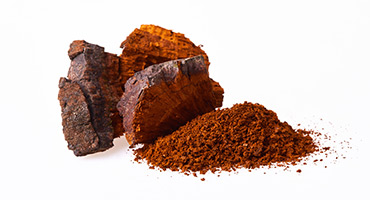
Chaga

Chaga

  • Supports Overall Health and Well-being
  • Provides Powerful Antioxidant Protection
  • Boosts Immune System
  • Anti-inflammatory

  • Immune system

  • Metabolism

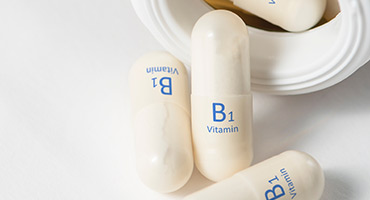
Vitamin B1 Benfotiamine

Vitamin B1 Benfotiamine

  • Enhances nerve health and reduces neuropathy symptoms.
  • Provides antioxidant protection.
  • Supports glucose metabolism and overall energy production.
  • Anti-inflammatory

  • Metabolism

  • Thyroid

Amaranthus Cruentus Extract

Amaranthus Cruentus Extract

  • Helps combat oxidative stress and supports overall cellular health.
  • Its nutrients aid in lowering cholesterol levels and improving heart function.
  • Contains vitamins and minerals that help maintain skin integrity and enhance appearance.
  • Cardio health

  • Skin health

  • Workout performance

Arjuna Bark

Arjuna Bark

  • Enhances cardiovascular function and strengthens the heart muscles.
  • Helps maintain healthy blood pressure levels.
  • Anti-inflammatory

  • Cardio health

  • Diabetic

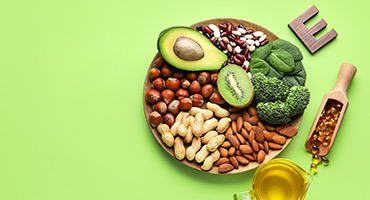
Vitamin E

Vitamin E

  • Supports immune function and helps fight infections.
  • Acts as a powerful antioxidant, protecting cells from free radical damage.
  • Promotes skin health by improving moisture and reducing inflammation.
  • Anti-inflammatory

  • Immune system

  • Skin health

D-Biotin (Vitamin B7)

D-Biotin (Vitamin B7)

  • Enhances overall well-being by maintaining proper bodily functions.
  • Supports healthy hair, skin, and nails.
  • Aids in metabolic processes
  • Digestion

  • Metabolism

  • Skin health

Rheum Extract

Rheum Extract

  • Supports healthy digestion and relieves constipation.
  • Promotes overall gastrointestinal health.
  • Provides anti-inflammatory benefits to the digestive tract.
  • Anti-inflammatory

  • Digestion

  • Workout performance

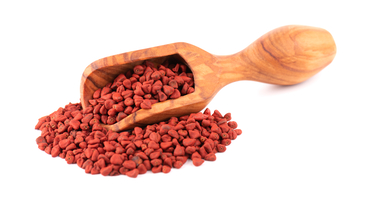
Achiote (Annatto)

Achiote (Annatto)

  • Provides a vibrant red-orange color to foods and cosmetics without synthetic dyes.
  • Contains compounds such as bixin and norbixin, which have antioxidant properties that help protect cells against oxidative damage.
  • Traditional uses include treating stomach issues and enhancing digestion.
  • Anti-inflammatory

  • Thyroid

  • Weight management

Serratiopeptidase

Serratiopeptidase

  • Reduces inflammation and swelling, aiding in pain relief.
  • Supports the breakdown of scar tissue and promotes healing.
  • Enhances recovery from injuries
  • Anti-inflammatory

  • Immune system

  • Metabolism

Vitamin C

Vitamin C

  • Boosts immune function and helps protect against infections.
  • Promotes collagen production for healthy skin, joints, and connective tissues.
  • Acts as a potent antioxidant, protecting cells from oxidative damage.
  • Anti-inflammatory

  • Immune system

  • Skin health