Arjuna Bark
Arjuna Bark, derived from the Terminalia arjuna tree, is renowned for its cardioprotective properties and heart-health benefits, making it a valuable ingredient in traditional and modern herbal medicine.


Anti-inflammatory

Cardio health

Diabetic


Origin of Ingredient
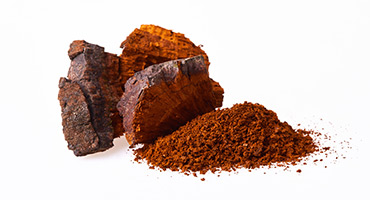
Arjuna Bark is sourced from the Terminalia arjuna tree, which is native to India and other South Asian parts. The tree is commonly found along riverbanks and is known for its robust bark. The bark is harvested and processed into various forms, including powders and extracts, to be used in supplements and herbal remedies.
History of Ingredient
Arjuna Bark has been used for over 3,000 years in ancient Ayurvedic medicine. It was traditionally prescribed for heart ailments, wounds, and other health conditions. The Ayurvedic texts describe it as a potent heart tonic, and it continues to be a staple in Ayurvedic treatments for cardiovascular health. Its benefits have been recognized globally and are widely used in herbal supplements.
Scientific Makeup of Ingredient
Arjuna Bark is rich in various bioactive compounds, including flavonoids, tannins, saponins, and glycosides, which contribute to its cardioprotective effects. The bark contains arjunic acid, arjunolic acid, and other antioxidants that help reduce oxidative stress and inflammation in the cardiovascular system. These properties make arjuna bark a valuable ingredient for supporting heart health and overall wellness.
Numerous studies have highlighted the cardiovascular benefits of Arjuna Bark. Research published in the Journal of Ethnopharmacology found that Arjuna Bark extract significantly improved cardiac function in patients with heart failure. Another study indicated that it helped regulate blood pressure and reduced cholesterol levels. The antioxidant properties of Arjuna Bark have been shown to protect the heart from damage caused by free radicals and oxidative stress, promoting overall cardiovascular health.
Arjuna Bark is approved for use in dietary supplements in many countries, including the United States and the European Union. Legal claims regarding its benefits include supporting heart health, regulating blood pressure, and providing antioxidant protection. To avoid misleading consumers, it is crucial to ensure that these claims are supported by scientific evidence and comply with local regulatory guidelines.