Chaga
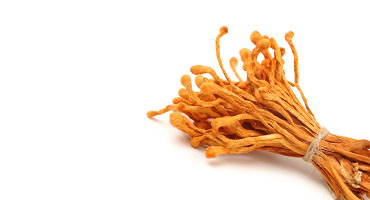
Chaga is a medicinal mushroom known for its potent antioxidant and immune-boosting properties. It supports overall health and well-being.


Anti-inflammatory

Immune system

Metabolism


Origin of Chaga
Chaga (Inonotus obliquus) is a type of fungus that primarily grows on birch trees in cold climates, such as those in Russia, Northern Europe, and North America. It has been used traditionally in Siberian and other Northern European folk medicines.
History of Chaga
Chaga has been used for centuries in traditional medicine. Siberian folk healers have utilized it since the 16th century for its health-promoting properties, often brewing it into a tea. In more recent times, chaga has gained popularity worldwide as a powerful natural health supplement.
Scientific Makeup of Chaga
Chaga is rich in a variety of bioactive compounds, including polysaccharides, beta-glucans, triterpenoids, and polyphenols. These compounds contribute to its strong antioxidant properties and its ability to modulate the immune system. Chaga also contains melanin, which gives it its distinctive dark color.
Studies have shown that chaga can enhance immune function by stimulating the production of immune cells and modulating the immune response.
Provides Powerful Antioxidant Protection: The high levels of antioxidants in chaga help protect cells from oxidative stress and free radical damage, which can reduce the risk of chronic diseases.
Supports Overall Health and Well-being: Chaga has been traditionally used to promote general health and vitality, and its bioactive compounds have been shown to have anti-inflammatory and adaptogenic effects
Chaga can legally claim to boost the immune system, provide antioxidant benefits, and support overall health and well-being. These claims are generally supported by scientific research and traditional use. Compliance with specific labeling requirements is necessary to meet regional regulations.