Sodium Saccharin

Sodium Saccharin is an artificial sweetener known for its intense sweetness and low-calorie content, making it a popular sugar substitute in various food and beverage products.

  • Gut Health

  • Immune system

  • Mood regulation

Origin of Ingredient

Sodium Saccharin was first discovered in 1879 and is derived from benzoic sulfinide. It is produced synthetically through a chemical reaction involving toluene derivatives. This artificial sweetener is widely used due to its high stability and intense sweetness, which is about 200-700 times sweeter than sucrose.

History of Ingredient

Since its discovery, sodium saccharin has been used as a sugar substitute, especially during times of sugar shortages and in products aimed at those managing their sugar intake, such as diabetics. Its use became widespread during World War I and II. Despite some controversies regarding its safety, extensive research has validated its safety for consumption, leading to its approval by various food safety authorities.

Scientific Makeup of Ingredient

Sodium Saccharin (C7H4NNaO3S) is a white, crystalline powder. It is highly soluble in water and heat-stable, making it versatile for use in various culinary applications. Its intense sweetness means that only small amounts are needed to achieve the desired level of sweetness, contributing to its low-calorie profile.

Studies have shown that sodium saccharin is effective in providing sweetness without adding calories, making it beneficial for weight management and sugar-free diets. Research indicates that it does not raise blood sugar levels, making it a safe alternative for people with diabetes. Additionally, it does not promote tooth decay, making it a favorable option for dental health.

Sodium Saccharin is approved for use in food and beverage products in many countries, including the United States and European Union. It is considered safe for consumption within established daily intake limits. Legal claims about sodium saccharin include its benefits as a low-calorie sweetener, its suitability for diabetics, and its non-cariogenic properties. Compliance with local regulatory guidelines is essential when making specific health claims regarding sodium saccharin.
Similar ingredients

AAKG & Arginine

AAKG & Arginine

  • Increases nitric oxide production.
  • Accelerates recovery rates by boosting blood flow, thereby reducing muscle soreness post-exercise.
  • Elevates nitric oxide production, leading to better vascular function and an improved muscle pump during workouts.
  • Anti-inflammatory

  • Gut Health

  • Weight management

Spirulina

Spirulina

  • Rich source of protein and essential amino acids, supporting muscle growth and repair.
  • Packed with antioxidants that help combat oxidative stress and inflammation.
  • Supports immune function and overall vitality due to its high nutrient density.
  • Bone health

  • Gut Health

  • Immune system

Vitamin C

Vitamin C

  • Boosts immune function and helps protect against infections.
  • Promotes collagen production for healthy skin, joints, and connective tissues.
  • Acts as a potent antioxidant, protecting cells from oxidative damage.
  • Anti-inflammatory

  • Immune system

  • Skin health

Sea Buckthorn Berry Oil

Sea Buckthorn Berry Oil

  • Rich in essential fatty acids that nourish and rejuvenate the skin.
  • Supports immune health with its high antioxidant content.
  • Promotes heart health by maintaining healthy cholesterol levels.
  • Cardio health

  • Immune system

  • Skin health

Oregano Leaf Extract

Oregano Leaf Extract

  • Reduces inflammation and promotes overall wellness.
  • Provides powerful antimicrobial and antioxidant protection.
  • Supports immune health.

  • Anti-inflammatory

  • Brain health

  • Immune system

Vitamin D

Vitamin D

  • Supports calcium absorption and bone health.
  • Contributes to muscle function and overall health.
  • Enhances immune function and helps protect against infections.
  • Bone health

  • Immune system

  • Workout performance

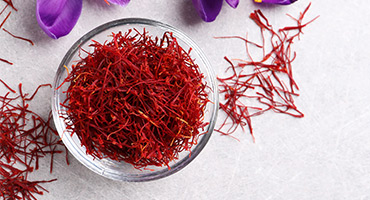
Saffron

Saffron

  • Enhances mood and reduces symptoms of depression.
  • Supports weight management and appetite control.
  • Provides powerful antioxidant properties.
  • Anti-inflammatory

  • Mood regulation

  • Weight management

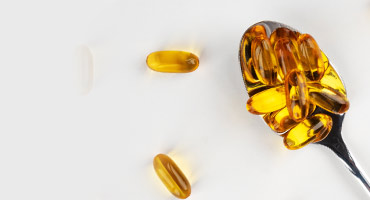
Fish Oil

Fish Oil

  • Supports heart health by reducing triglycerides and improving cholesterol levels.
  • Enhances brain function and cognitive performance.
  • Provides anti-inflammatory benefits, reducing the risk of chronic diseases.
  • Cardio health

  • Immune system

  • Sleep

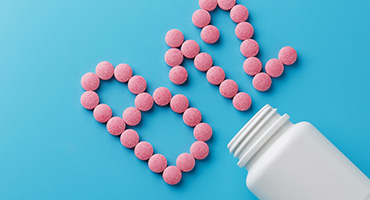
Vitamin B12 Methylcobalamin

Vitamin B12 Methylcobalamin

  • Supports red blood cell formation and prevents anemia.
  • Enhances neurological function and mental clarity.
  • Aids in DNA synthesis and cell division.
  • Diabetic

  • Immune system

  • Sleep

Caffeine

Caffeine

  • Increased Metabolic Rate
  • Improved Alertness and Concentration:
  • Enhanced Physical Performance:
  • Brain health

  • Metabolism

  • Mood regulation