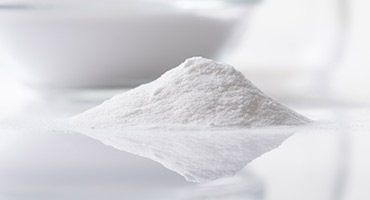
Ashwagandha
Ashwagandha, also known as Withania somnifera, is an ancient medicinal herb renowned for its adaptogenic properties and ability to enhance overall well-being.


Brain health

Mood regulation

Workout performance


Origin of Ingredient
Ashwagandha is native to India, the Middle East, and parts of Africa. The Withania somnifera plant thrives in these regions’ dry, arid climates. Its roots and berries are harvested and used in traditional and modern herbal medicine.
History of Ingredient
Historically, Ashwagandha has been a cornerstone of Ayurvedic medicine for over 3,000 years. It has been used to increase energy levels, improve concentration, and reduce inflammation. The name “Ashwagandha” translates to “smell of the horse,” referring to the herb’s distinct odor and its ability to impart strength and vitality akin to a horse.
Scientific Makeup of Ingredient
Ashwagandha contains a variety of bioactive compounds, including withanolides, alkaloids, and fatty acids. Withanolides, the primary active components, are believed to contribute to its adaptogenic and therapeutic effects. These compounds support various physiological functions, helping the body adapt to stress.
Numerous studies have highlighted Ashwagandha’s benefits. Research indicates that it can significantly reduce cortisol levels, thereby alleviating stress and anxiety. Cognitive enhancement is another well-documented benefit, with studies showing improved memory and executive function. Additionally, Ashwagandha has been found to enhance physical performance, increasing muscle strength and recovery in athletes.
Ashwagandha is approved for use in dietary supplements in many countries, including the United States, the European Union, and India. Legal claims often focus on its ability to reduce stress, improve cognitive function, and enhance physical performance. It is essential to comply with local regulatory guidelines when making specific health claims about Ashwagandha.