Kale

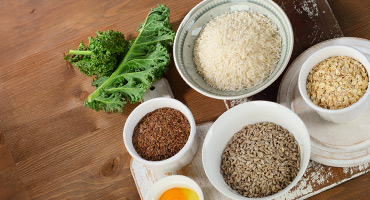
Kale is a leafy green vegetable from the Brassica family, known for its rich nutrient profile and numerous health benefits, including antioxidant support, anti-inflammatory properties, and heart health.

  • Anti-inflammatory

  • Cardio health

  • Immune system

Origin of Ingredient

Kale originated in the eastern Mediterranean and Asia Minor, where it has been cultivated for over 2,000 years. It is now grown worldwide, thriving in cooler climates. Kale is a hardy plant that can withstand frost, which often improves its flavor. It is typically harvested in the fall and winter months.

History of Ingredient

Historically, kale was a staple food in ancient Rome and Greece. It was brought to North America by early European settlers. During World War II, kale gained popularity in the United Kingdom as a nutrient-dense food that could be grown in home gardens. Today, it is celebrated as a superfood due to its high nutrient content and health benefits.

Scientific Makeup of Ingredient

Kale is rich in vitamins A, C, and K, as well as minerals like calcium, potassium, and magnesium. It contains powerful antioxidants such as quercetin and kaempferol, which help combat oxidative stress. Additionally, kale is high in fiber and contains beneficial compounds like sulforaphane, known for its cancer-fighting properties.

Research has shown that the antioxidants in kale can help reduce oxidative stress and inflammation in the body. Studies have demonstrated its potential to lower cholesterol levels, support heart health, and improve overall cardiovascular function. The high vitamin K content in kale is essential for bone health and blood clotting. Furthermore, the fiber in kale promotes digestive health and helps regulate blood sugar levels.

Kale is widely approved for use in food products and dietary supplements in many countries, including the United States, Canada, and the European Union. Legal claims about kale include its benefits for antioxidant support, anti-inflammatory properties, and heart health. Always ensure compliance with local regulatory guidelines when making specific health claims.
Similar ingredients

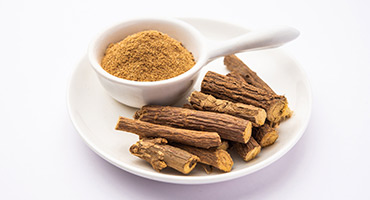
Liquorice

Liquorice

  • Soothes gastrointestinal issues such as indigestion and ulcers.
  • Provides antioxidant properties that help protect the body from oxidative stress.

  • Supports respiratory health
  • Anti-inflammatory

  • Digestion

  • Skin health

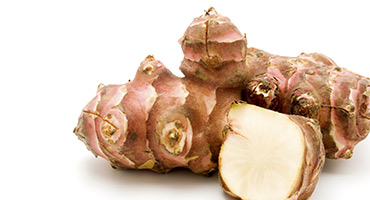
Jerusalem artichoke

Jerusalem artichoke

  • Supports digestive health.
  • Boosts immune function.
  • Aids in blood sugar regulation.
  • Digestion

  • Immune system

  • Sleep

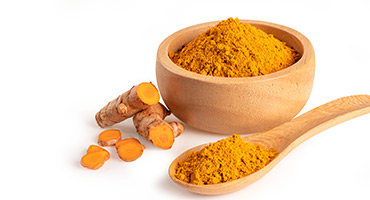
Turmeric

Turmeric

  • Reduces inflammation and supports joint health.
  • Provides powerful antioxidant protection, helping to combat oxidative stress.
  • Enhances digestive health and supports liver function.
  • Anti-inflammatory

  • Digestion

  • Metabolism

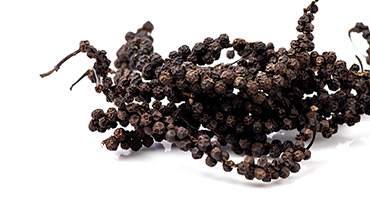
Black pepper extract

Black pepper extract

  • Enhances nutrient absorption, improving the bioavailability of various nutrients.
  • Supports digestive health by stimulating digestive enzymes.
  • Exhibits antioxidant properties, protecting cells from damage.
  • Anti-inflammatory

  • Diabetic

  • Sleep

Glucosamine

Glucosamine

  • Supports joint health and mobility.
  • Reduces inflammation and pain associated with arthritis.
  • Promotes the repair and maintenance of cartilage
  • Anti-inflammatory

  • Bone health

  • Metabolism

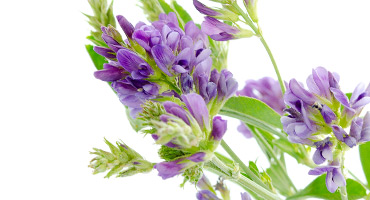
Alfalfa Powder

Alfalfa Powder

  • Enhances liver and blood cleansing through high saponin content that removes toxins and hormones.
  • Promotes balance during hormonal shifts like menopause, using natural phytoestrogens to mimic estrogen.
  • Alleviates menopause symptoms by stabilizing hormonal levels.
  • Anti-inflammatory

  • Metabolism

  • Weight management

Ferrous citrate

Ferrous citrate

  • Treats and prevents iron deficiency anemia.
  • Enhances energy levels and reduces fatigue.
  • Supports healthy red blood cell production.
  • Brain health

  • Immune system

  • Metabolism

Vitamin B1 Thiamin

Vitamin B1 Thiamin

  • Supports energy production and combats fatigue.
  • Promotes healthy nerve function.
  • Aids in carbohydrate metabolism.
  • Anti-inflammatory

  • Bone health

  • Metabolism

Turkey Tail

Turkey Tail

  • Enhances immune system function, helping the body to fight infections and diseases.
  • Provides antioxidant protection, reducing oxidative stress and supporting cellular health.
  • Supports gut health by promoting a healthy balance of gut bacteria.
  • Anti-inflammatory

  • Gut Health

  • Immune system

Marigold Extract

Marigold Extract

  • Supports eye health by protecting against oxidative stress.
  • Provides antioxidant protection.
  • Antioxidant-rich, supports eye health, soothes skin.
  • Immune system

  • Mood regulation

  • Skin health