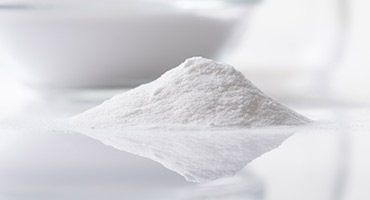
Calcium

Calcium is a vital mineral necessary for maintaining healthy bones and teeth. It also supports muscle function and nerve transmission.

  • Bone health

  • Brain health

  • Workout performance

Origin of Calcium

Calcium is one of the most abundant minerals in the Earth’s crust and is naturally found in many foods, including dairy products, leafy greens, and fortified foods. It is also available as a dietary supplement.

History of Calcium

Historically, calcium has been recognized for its importance in bone health since ancient times. The use of lime (calcium oxide) dates back to the Romans, who used it in construction and agricultural practices. The nutritional value of calcium was highlighted in the 20th century with the discovery of its role in preventing rickets and osteoporosis.

Scientific Makeup of Calcium

Calcium is a chemical element with the symbol Ca and atomic number 20. In the human body, calcium ions (Ca²⁺) play a crucial role in cellular signaling, blood clotting, muscle contraction, and nerve function. It is a major component of bones and teeth, where it is stored in the form of calcium phosphate.

Calcium is essential for the development and maintenance of strong bones and teeth, reducing the risk of osteoporosis. Calcium plays a critical role in muscle contraction and relaxation, aiding in overall muscle function. Calcium ions are vital for the proper transmission of nerve impulses, contributing to overall nervous system health

In the United States and Europe, legal claims for calcium include supporting bone health and aiding in muscle function. These claims are generally approved when calcium is consumed as part of a balanced diet. In countries like Japan and Australia, similar health claims are allowed with specific labeling requirements.

Similar ingredients

Vitamin B3 (Niacin)

Vitamin B3 (Niacin)

  • Supports energy production and metabolism.
  • Maintains healthy skin and nervous system.
  • Promotes cardiovascular health by managing cholesterol levels.
  • Cardio health

  • Digestion

  • Workout performance

Microcrystalline Cellulose

Microcrystalline Cellulose

  • Acts as a bulking agent and stabilizer in supplements and medications.
  • Provides a source of dietary fiber.
  • Improves the texture and consistency of food products.
  • Bone health

  • Gut Health

  • Thyroid

Rice Protein

Rice Protein

  • Supports muscle building and recovery.
  • Aids in weight management and satiety.
  • Suitable for those with dietary restrictions and sensitivities.
  • Metabolism

  • Weight management

  • Workout performance

Glutamine

Glutamine

  • Enhances muscle recovery and reduces soreness.
  • Supports immune system
  • Promotes gut health and integrity.
  • Gut Health

  • Immune system

  • Workout performance

Hydrolyzed Fish Collagen

Hydrolyzed Fish Collagen

  • Improves skin elasticity and reduces wrinkles.
  • Enhances hair and nail strength.
  • Supports joint health and reduces joint pain.
  • Bone health

  • Immune system

  • Skin health

Branded

Sinetrol

Sinetrol

  • Increases energy levels through natural extracts.
  • Supports weight management and metabolic health.
  • Energy Boost
  • Brain health

  • Digestion

  • Weight management

Molybdenum

Molybdenum

  • Supports enzymatic processes involved in metabolism.
  • Aids in detoxification and elimination of toxins.
  • Essential for the metabolism of sulfur-containing amino acids.
  • Anti-inflammatory

  • Bone health

  • Metabolism

Vitamin B Complex

Vitamin B Complex

  • Boosts energy levels and combats fatigue.
  • Supports brain function and mental clarity.
  • Promotes healthy skin, hair, and nails.
  • Brain health

  • Skin health

  • Workout performance

Spirulina

Spirulina

  • Rich source of protein and essential amino acids, supporting muscle growth and repair.
  • Packed with antioxidants that help combat oxidative stress and inflammation.
  • Supports immune function and overall vitality due to its high nutrient density.
  • Bone health

  • Gut Health

  • Immune system

Glutamic Acid

Glutamic Acid

  • Enhances cognitive function and memory.
  • Supports protein synthesis and muscle growth.
  • Aids in the metabolism of fats and sugars.
  • Bone health

  • Metabolism

  • Skin health