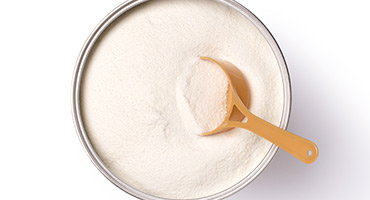
Rice Protein
Rice Protein is a plant-based protein derived from whole grain brown rice, known for its high digestibility and essential amino acid content, making it an excellent supplement for muscle building, weight management, and overall health.


Metabolism

Weight management

Workout performance


Origin of Ingredient
Rice Protein is extracted from whole grain brown rice through a process of milling, separating, and filtering to isolate the protein content. This plant-based protein source is naturally hypoallergenic and suitable for vegans and vegetarians. Rice Protein is widely produced in regions where rice is a staple crop, such as Asia and parts of North America.
History of Ingredient
Historically, rice has been a fundamental part of the diet in many cultures, particularly in Asia, for thousands of years. While the use of rice protein as a dietary supplement is more recent, it has quickly gained popularity due to its excellent nutritional profile and suitability for people with dietary restrictions. The development of rice protein supplements has provided an alternative to animal-based proteins, addressing the needs of those seeking plant-based nutrition.
Scientific Makeup of Ingredient
Rice Protein contains all nine essential amino acids necessary for muscle growth and repair, making it a complete protein source. It is rich in branched-chain amino acids (BCAAs) like leucine, isoleucine, and valine, which are crucial for muscle protein synthesis. Additionally, rice protein is low in fat and carbohydrates, making it an ideal supplement for those looking to increase their protein intake without extra calories.
Studies have shown that Rice Protein is highly digestible and effective in promoting muscle growth and recovery, comparable to whey protein. Its high amino acid content supports muscle protein synthesis and reduces muscle soreness post-exercise. Rice Protein also aids in weight management by promoting feelings of fullness and satiety, helping to control appetite and reduce overall calorie intake. Furthermore, its hypoallergenic properties make it suitable for individuals with food allergies or intolerances.
Rice Protein is approved for use in dietary supplements and functional foods in many countries, including the United States, the European Union, and various other regions. Legal claims about Rice Protein include its benefits for muscle building, weight management, and suitability for those with dietary restrictions. When making specific health claims, it is essential to adhere to local regulatory guidelines to ensure accuracy and legality.