Folic acid
Folic acid, a synthetic form of the B vitamin folate, is essential for DNA synthesis, cell division, and overall growth and development, particularly during pregnancy.


Bone health

Immune system

Sleep


Origin of Ingredient
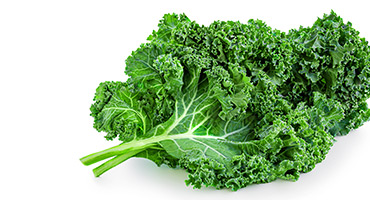
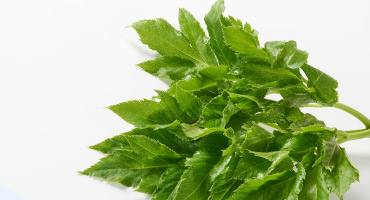
Folic acid is a synthetic version of folate, naturally found in leafy green vegetables, citrus fruits, and legumes. It is commonly added to fortified foods and dietary supplements to ensure adequate intake, especially in populations at risk of deficiency, such as pregnant women.
History of Ingredient
Folic acid has been recognized for its health benefits since the early 20th century. Its importance in preventing neural tube defects during pregnancy was discovered in the 1960s and 1970s, leading to public health initiatives to fortify foods with folic acid. Today, it is widely recommended for women of childbearing age and included in prenatal vitamins.
Scientific Makeup of Ingredient
Folic acid, also known as vitamin B9, is a water-soluble vitamin essential for numerous bodily functions. It plays a critical role in the synthesis of DNA and RNA, amino acid metabolism, and the formation of red and white blood cells. Its synthetic form, folic acid, is more stable and better absorbed than naturally occurring folate.
Extensive research has demonstrated that adequate folic acid intake before and during early pregnancy can significantly reduce the risk of neural tube defects in infants. Studies also show that folic acid supports DNA synthesis and repair, essential for healthy cell division and growth. Additionally, folic acid is crucial for red blood cell formation, helping to prevent anemia.
Folic acid is widely approved for use in fortified foods and dietary supplements in many countries, including the United States, the European Union, and Canada. Legal claims about folic acid include its benefits for fetal development, DNA synthesis, and red blood cell formation. Always ensure compliance with local regulatory guidelines when making specific health claims.