Creatine
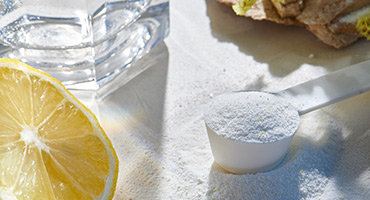
Creatine is a naturally occurring compound found in muscle cells, renowned for its role in enhancing physical performance and increasing muscle mass, commonly used as a dietary supplement by athletes and bodybuilders.


Mood regulation

Skin health

Workout performance


Origin of Ingredient
Creatine is naturally produced in the human body, primarily in the liver, kidneys, and pancreas, and stored in muscle tissues. It is also found in dietary sources like red meat and fish. As a supplement, creatine is synthesized in laboratories to ensure purity and efficacy, making it accessible for athletes and fitness enthusiasts.
History of Ingredient
The use of creatine as a dietary supplement dates back to the early 20th century, but its popularity surged in the 1990s following research highlighting its benefits for athletic performance. Initially used by elite athletes, creatine soon became widely available and adopted by recreational lifters and fitness enthusiasts due to its proven effectiveness.
Scientific Makeup of Ingredient
Creatine is a nitrogenous organic acid composed of three amino acids: arginine, glycine, and methionine. In the body, it is converted to phosphocreatine, which serves as a quick energy source for muscle contractions during high-intensity exercise. This conversion process supports ATP production, enhancing physical performance.
Numerous studies have demonstrated creatine’s effectiveness in enhancing muscle strength, power, and growth. Research shows that creatine supplementation can increase lean body mass, improve exercise performance, and support quicker recovery by reducing muscle damage and fatigue. These benefits make it a staple supplement for athletes and bodybuilders.
Creatine is widely approved and regulated for use in dietary supplements across many countries, including the United States, Canada, the European Union, and Australia. Legal claims about creatine typically highlight its role in improving muscle strength, promoting muscle growth, and enhancing recovery. It is essential to comply with local regulatory guidelines when making specific health claims about creatine.