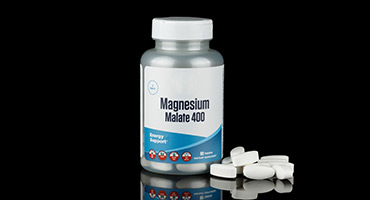
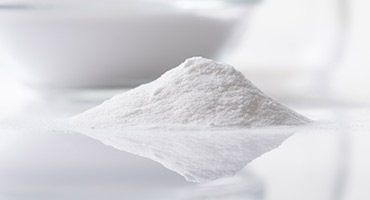
Magnesium Sulfate

Magnesium sulfate, commonly known as Epsom salt, is a versatile compound used for its therapeutic benefits, including muscle relaxation, stress relief, and support for overall health.

  • Bone health

  • Gut Health

  • Metabolism

Origin of Ingredient

Magnesium sulfate is naturally found in mineral springs. It is typically obtained through mining and then purified for use in various health and wellness products. It is most commonly known as Epsom salt, which can be dissolved in water for baths or used in topical applications.

History of Ingredient

Magnesium sulfate has been used for centuries for its therapeutic properties. Named after the town of Epsom in England, where it was discovered in mineral springs, Epsom salt has been a traditional remedy for muscle aches, stress relief, and skin conditions. Its use in baths and soaks remains popular today due to its numerous health benefits.

Scientific Makeup of Ingredient

Magnesium sulfate consists of magnesium, sulfur, and oxygen. When dissolved in water, it releases magnesium ions, which can be absorbed through the skin. This makes it an effective topical treatment for muscle relaxation and pain relief. The sulfur component helps with detoxification and skin health.

Studies have shown that magnesium sulfate can effectively relieve muscle soreness and tension when used in baths or soaks. Research indicates that it promotes relaxation and reduces stress levels, making it beneficial for mental health. Additionally, magnesium sulfate supports detoxification by aiding the elimination of toxins through the skin and improving skin conditions such as eczema and psoriasis.

Magnesium sulfate is widely approved for use in dietary supplements, topical treatments, and bath products in many countries, including the United States, the European Union, and various Asian nations. Legal claims about magnesium sulfate include its benefits for muscle relaxation, stress relief, and detoxification. Always ensure compliance with local regulatory guidelines when making specific health claims.

Similar ingredients

Baobab

Baobab

  • Rich in vitamin C, baobab supports immune health.
  • Contains high levels of fiber, promoting gut health.
  • Packed with antioxidants that protect cells from damage.
  • Digestion

  • Immune system

  • Metabolism

Magnesium Malate

Magnesium Malate

  • Enhances energy production.
  • Alleviates muscle pain and soreness.
  • Supports overall cellular and metabolic health.
  • Bone health

  • Metabolism

  • Workout performance

D-Mannose

D-Mannose

  • Supports urinary tract health
  • Promotes overall kidney and bladder health.
  • Reduces the risk of recurrent urinary tract infections.
  • Immune system

  • Metabolism

  • Mood regulation

Fluoride

Fluoride

  • Prevents tooth decay and cavities.
  • Strengthens tooth ename
  • Helps in the remineralization of early dental caries.
  • Brain health

  • Metabolism

  • Weight management

Spirulina

Spirulina

  • Rich source of protein and essential amino acids, supporting muscle growth and repair.
  • Packed with antioxidants that help combat oxidative stress and inflammation.
  • Supports immune function and overall vitality due to its high nutrient density.
  • Bone health

  • Gut Health

  • Immune system

BCAA

BCAA

  • Promotes muscle protein synthesis, aiding in muscle growth and repair.
  • Reduces muscle soreness and fatigue, enhancing workout recovery.
  • Prevents muscle breakdown, especially during intense exercise or fasting periods.
  • Cardio health

  • Metabolism

  • Workout performance

Magnesium Oxide

Magnesium Oxide

  • Relieves heartburn and indigestion.
  • Supports bone and muscle health.
  • Promotes regular bowel movements.
  • Bone health

  • Digestion

  • Workout performance

Citric Acid

Citric Acid

  • Aids in weight management
  • Supports muscle growth
  • Enhances metabolic function
  • Anti-inflammatory

  • Digestion

  • Metabolism

Vitamin K

Vitamin K

  • Supports normal blood clotting and prevents excessive bleeding.
  • Promotes bone health
  • Contributes to cardiovascular health
  • Bone health

  • Cardio health

  • Metabolism

Hyaluronic Acid

Hyaluronic Acid

  • Enhances skin hydration and reduces the appearance of fine lines and wrinkles.
  • Supports joint health by lubricating and cushioning joints.
  • Promotes wound healing and tissue repair.
  • Bone health

  • Metabolism

  • Skin health