Vitamin B2
Vitamin B2, also known as riboflavin, is a water-soluble vitamin crucial for energy production, cellular function, and maintaining overall health. It plays a vital role in metabolizing fats, drugs, and steroids.


Anti-inflammatory

Mood regulation

Skin health


Origin of Ingredient
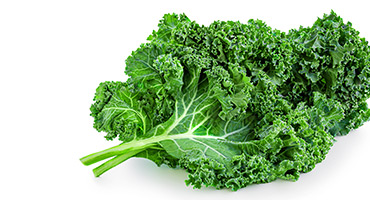
Vitamin B2 (Riboflavin) is naturally found in a variety of foods, including eggs, green vegetables, milk, meat, mushrooms, and almonds. It is also available in fortified foods and dietary supplements. Riboflavin is produced through both chemical synthesis and microbial fermentation processes.
History of Ingredient
The discovery of riboflavin dates back to the early 20th century when it was identified as one of the essential factors in preventing nutritional deficiency diseases. Historically, diets rich in riboflavin were recognized for their benefits in maintaining energy levels and overall health. The isolation and synthesis of riboflavin have since made it widely available in supplements and fortified foods.
Scientific Makeup of Ingredient
Vitamin B2 (Riboflavin) is a yellow, water-soluble compound that is essential for the body’s energy production and metabolic processes. It is a component of the coenzymes FAD (flavin adenine dinucleotide) and FMN (flavin mononucleotide), which are involved in redox reactions within the cell. Riboflavin is crucial for the metabolism of carbohydrates, fats, and proteins and plays a role in maintaining healthy skin and vision.
Research has shown that riboflavin is essential for the production of cellular energy and the metabolism of nutrients. Studies indicate that riboflavin supports skin health, reducing the occurrence of acne and promoting a healthy complexion. Additionally, riboflavin acts as an antioxidant, helping to protect cells from damage caused by free radicals.
Riboflavin is widely approved for use in dietary supplements and fortified foods in many countries, including the United States, the European Union, and various Asian nations. Legal claims regarding riboflavin include its benefits for energy production, skin and vision health, and antioxidant protection. Always ensure compliance with local regulatory guidelines when making specific health claims.