


26.02.2019
Stevia vs Sucralose – What’s the difference?
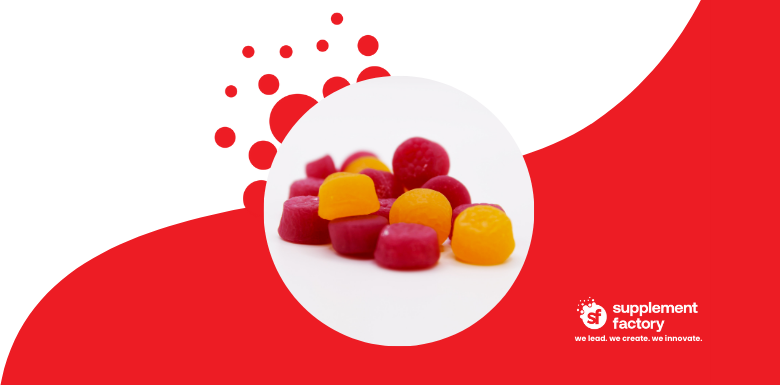

Since the turn of the century, total sugar consumption has steadily declined, leading to an increased demand for sugar substitutes. In 2024, the market for sugar alternatives was valued at $14.82 billion, with projections estimating it will reach $21.82 billion by 2032. Stevia and sucralose have emerged as the leading sugar substitutes, offering sweetening alternatives with no impact on calorie intake.
What is Sucralose?
Sucralose is a zero-calorie artificial sweetener made from sugar through a multi-step chemical process, where three hydrogen-oxygen groups are replaced with chlorine atoms. It was discovered in 1976 when a scientist misinterpreted instructions about testing a substance, tasted it, and realised its intense sweetness.
Although sucralose can raise blood sugar and insulin levels in individuals who don’t regularly consume artificial sweeteners, it does not affect those accustomed to them.
When sucralose was first introduced to the public, it was marketed as a natural alternative to sugar. However as it is derived from sugar, the process in which it is turned into a sweetener 600 times the sweetness of sugar is less favoured to real natural alternatives.
Today, sucralose remains a popular choice in the food supplement industry, where it is used to sweeten and enhance the flavour of various powder supplements.
What is Stevia?
Stevia is celebrated for the fact that it adds no calories and contains no artificial sweeteners. Derived entirely from plants, stevia comes from the Asteraceae family, which includes the common daisy found in the UK. Although stevia is found in New Mexico, Arizona, and Texas, the most widely used species originates from Paraguay and Brazil, where its leaves have been used to sweeten food for centuries.
Stevia, which is approximately 200 times sweeter than sugar at the same concentration, may also offer additional health benefits beyond its sweetening properties. According to a 2017 article in the Journal of Medicinal Food, stevia shows potential for treating endocrine diseases such as obesity, diabetes, and hypertension, although further research is needed to fully understand these effects.
One of stevia’s main challenges is its aftertaste, which is often described as having a licorice-like bitterness. Nevertheless, because stevia is an extract, it can be found in varying levels of sweetness and bitterness to suit different preferences.
Which is best for a food supplement?
According to the Mayo Clinic, neither stevia nor sucralose should be consumed in excess; however, both can be highly effective in curbing sugar cravings. Overall, stevia is considered the more natural choice for those seeking a healthier option in food supplements.
| Artificial Sweetener | Pros | Cons |
| Sucralose |
|
|
| Stevia |
|
|


Written by Supplement Factory
Our team of industry experts not only work towards producing the highest standards of sports and health nutrition products, but also lend their knowledge towards educating the industry on the latest advances in products, ingredients and formulations.
More by Supplement Factory