


31.03.2025
Prebiotic Sodas: The Hottest Trend in Functional Beverages
Soda has long been a staple in many cultures across the globe, sometimes to an alarming degree. Take Argentina, for example, where people consume an astonishing 155 litres of soda per person each year, the highest in the world. However, as health consciousness continues to rapidly rise, so does the demand for healthier alternatives.
Well, prebiotic sodas are exactly that and have taken the market by storm in recent years. Touted as a gut-friendly alternative to traditional soft drinks, these beverages promise benefits like improved digestion, lower cholesterol, weight management, stable blood sugar levels and even healthier skin.
The trend has grown so rapidly that even industry giants like PepsiCo and Coca-Cola have jumped on board with their own versions. Indeed, in March 2025, PepsiCo announced that it had entered into an agreement with Poppi to acquire the brand for $1.9 billion. This hardly came as a surprise considering consumer interest in Poppi grew by 156% over the past year.
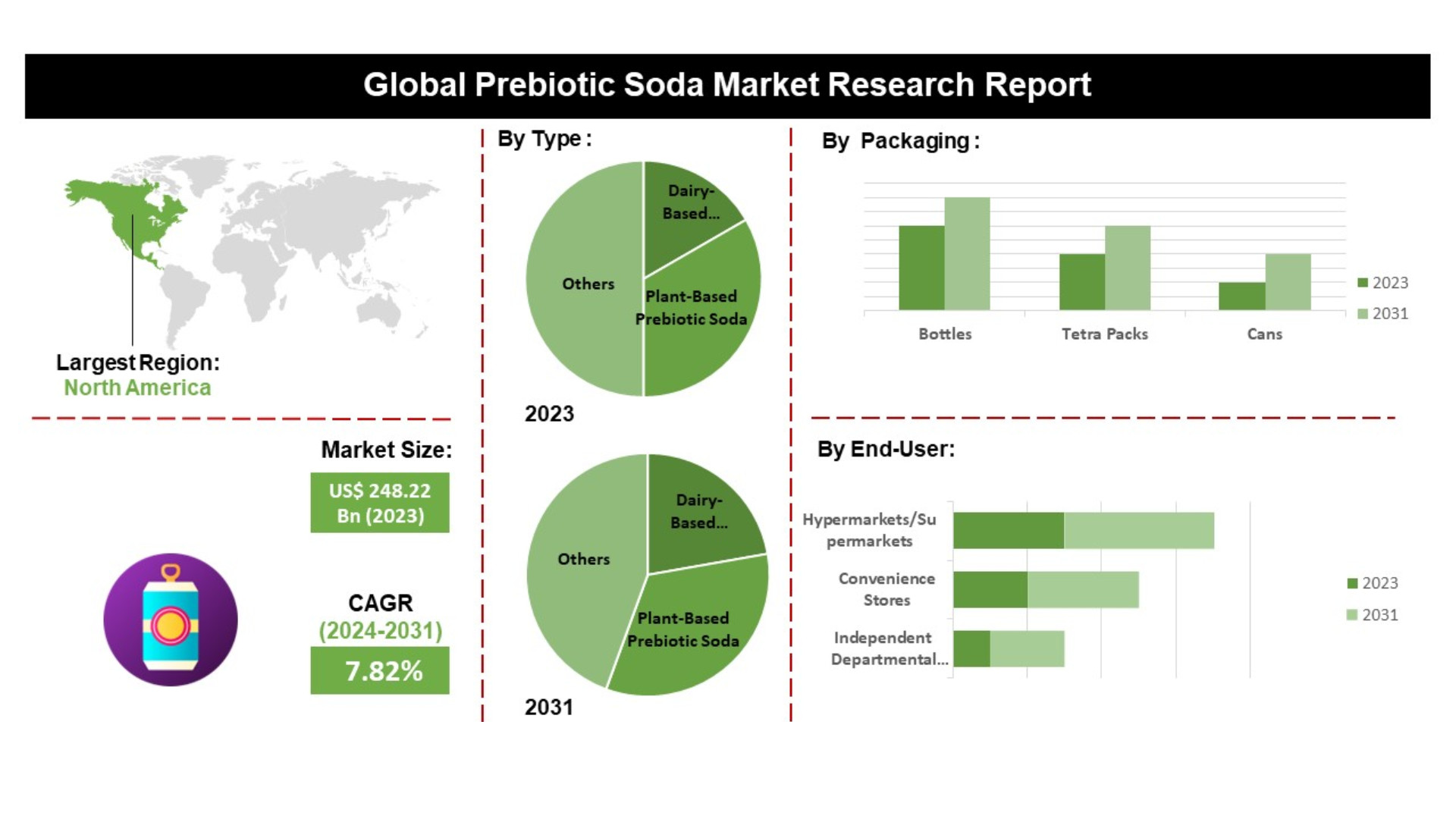
But are these prebiotic sodas really the health-boosting elixirs they claim to be, or just another clever marketing ploy? Supplement Factory are here to take a closer look.
What Are Prebiotics?
Most people are familiar with probiotics, so much so that you might have even misread the title and thought that’s what we were talking about here! Probiotics are live bacteria and yeasts that support digestion and immune health, with kombucha being a prime example. But today, we’re talking about something different yet equally as important for your health.
Prebiotics are powerful, non-digestible food ingredients that fuel the growth of beneficial gut bacteria, helping to create a balanced and thriving microbiome. These specialised plant fibres act like fertilisers, nourishing good bacteria and supporting digestive health. Unlike probiotics, which are live microorganisms, prebiotics naturally occur in many fibre-rich fruits and vegetables like bananas, asparagus and onions.
In the prebiotic sodas that are starting to line the shelves, key ingredients such as kudzu root, Jerusalem artichoke, organic agave inulin, organic acacia fibre and nopal cactus provide a gut-friendly boost, making every sip as beneficial as it is refreshing!
Why Should You Switch to Prebiotic Soda?
You don’t need to be a genius to know that traditional sodas aren’t doing your health any favours. With an average of 35 to 40 grams of added sugar per can, they can contribute to everything from weight gain to an increased risk of heart disease and type 2 diabetes. Many also contain high fructose corn syrup, a sweetener linked to obesity, high blood pressure and other serious health concerns.
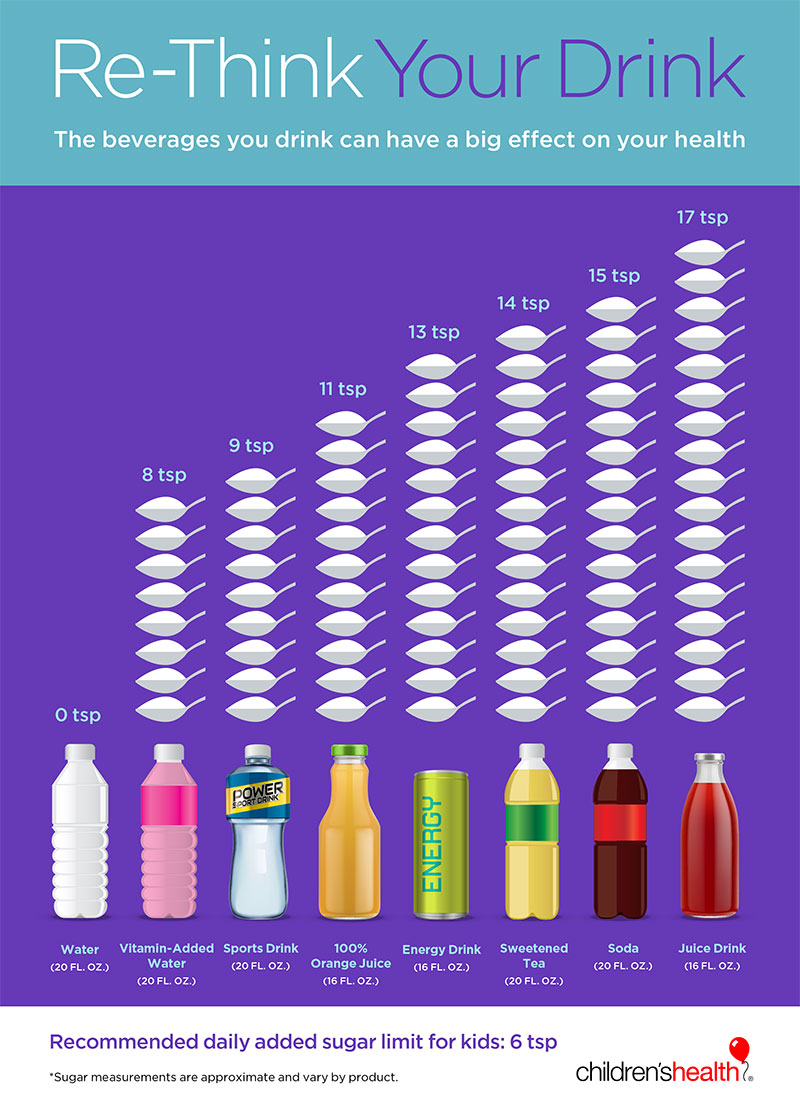

Now, we’re not saying you should never crack open a can of pop again, but it’s worth keeping a few things in mind.
On average, prebiotic sodas contain just four to five grams of sugar. That means you could drink an astonishing 7-8 cans before reaching the sugar content of just one regular soda! But the benefits go far beyond just cutting sugar…
Prebiotic fibres play a crucial role in gut health, fuelling the growth of beneficial bacteria. As these fibres ferment in the large intestine, they’re transformed into short-chain fatty acids; powerful compounds that help regulate inflammation, appetite and blood sugar levels.
Prebiotics may also enhance calcium absorption, strengthening bones and reducing the risk of osteoporosis.
Even more intriguing, emerging research suggests a strong link between gut health and mental well-being. Indeed, scientists believe an imbalance in gut bacteria can trigger immune responses that contribute to inflammation in the GI tract, potentially influencing neurological and psychological conditions. In other words, supporting your gut may also keep your mental health in check.
So, prebiotic sodas are an absolute game-changer in the functional beverage market, but there’s a slight catch.
The processed fibres in these drinks ferment faster than those from whole foods, potentially limiting their impact by preventing them from fully reaching the microbes in the large intestine. That said, the prebiotic ingredients still provide fibre and inulin, which aid digestion, relieve constipation and help stabilise blood sugar levels. So, prebiotic sodas are indeed beneficial to your overall health, just perhaps not as much as their name initially suggests.
Are There Any Potential Side Effects?
While fibre is essential for our digestive health, it is a double-edged sword as consuming too much of it can cause:
- Bloating
- Diarrhoea
- Flatulence
- Gas pains
If you’re not used to consuming much fibre (and most people aren’t, given that the recommended daily intake for adults is 30g while the average intake hovers around just 18g) drinking multiple prebiotic sodas a day can lead to these uncomfortable side effects.
Coca-Cola’s Simply Pop packs 6g of dietary fiber per can. So, if someone already consumes the average 18g daily and then drinks two prebiotic sodas, they’re definitely going to feel the effects!
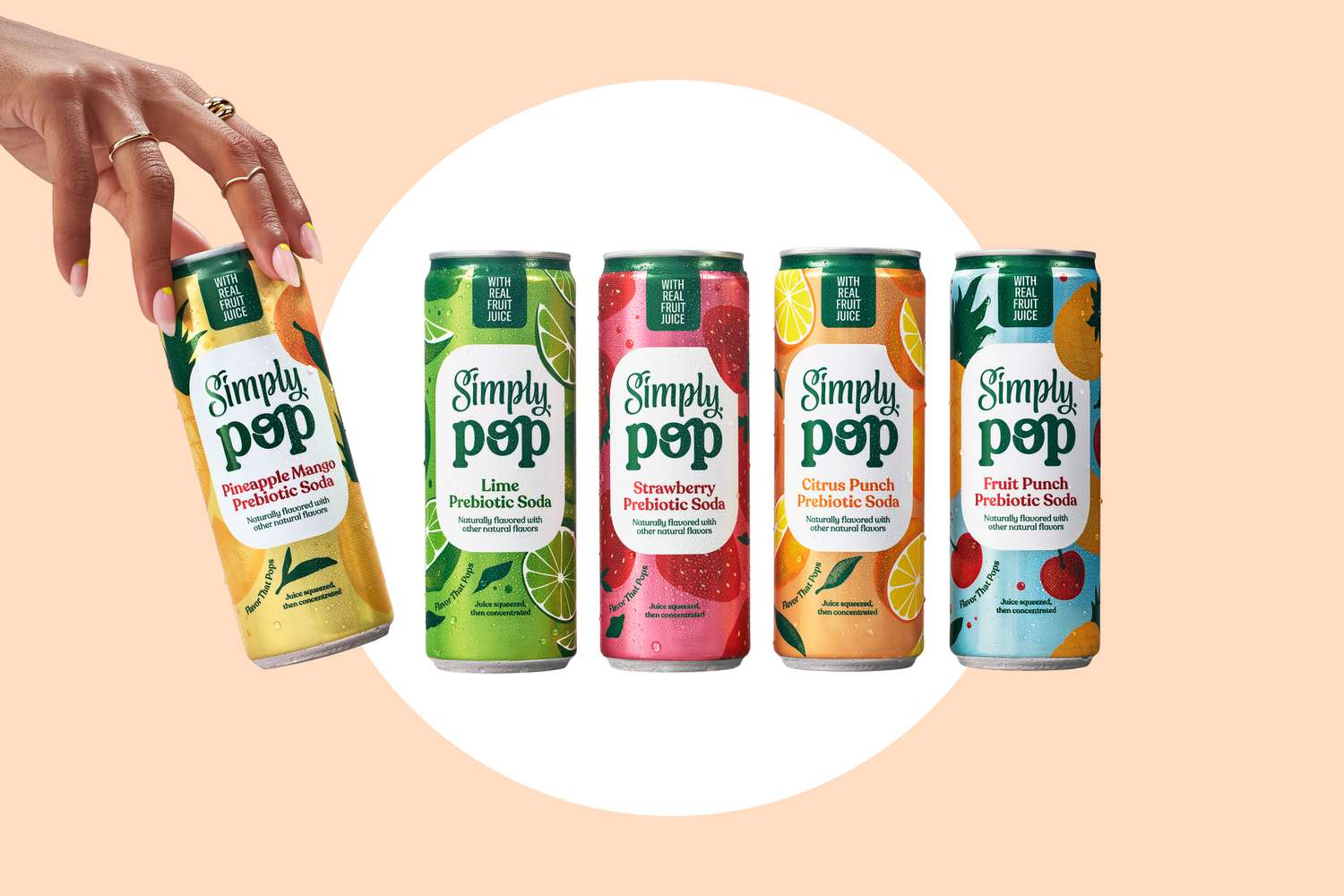

Consequently, if you’re thinking about switching to prebiotic sodas, start with just one can a day. This gives your body time to adjust and helps you avoid any unpleasant side effects from a sudden increase in fibre.
The Bottom Line on Prebiotics Soda
At the end of the day, no single product can replace the benefits of a well-rounded diet. But replacing your sugar-laden soft drink with a can of prebiotic soda will undoubtedly do your overall health the world of good.
From boosting mental well-being to supporting your gut microbiome, these drinks can make a real difference in your health. However, remember that the prebiotics in these drinks potentially have less of an impact compared to whole foods and overdoing them could lead to some uncomfortable side effects.


Written by Supplement Factory
Our team of industry experts not only work towards producing the highest standards of sports and health nutrition products, but also lend their knowledge towards educating the industry on the latest advances in products, ingredients and formulations.
More by Supplement Factory