


06.02.2025
Allulose: A Functional Sugar Alternative for Blood Sugar Control
The surge in diabetes, obesity and metabolic disorders over the past few years has sparked a growing demand for sugar alternatives that deliver the sweetness everyone craves without the sudden blood sugar spikes. In fact, according to the World Health Organisation, the global prevalence of diabetes among adults doubled from 7% in 1990 to 14% in 2022. Meanwhile, global rates of obesity have followed a very similar pattern. So, there isn’t just a demand for the aforementioned sugar alternative, there’s a genuine need for one.
While this may initially seem a product of pure imagination, allulose, a low-calorie rare sugar, actually offers a rather promising solution. It provides sweetness without notably impacting blood glucose levels, making it an excellent ingredient for diabetic-friendly, weight management and sports nutrition products.
But what scientific evidence is there to support its effects on blood sugar regulation, and what implications could this have on future supplement formulation at Supplement Factory?
What Is Allulose & How Does It Work?
Allulose is a rare sugar, which might make it seem like you’d have to search far and wide to find it; however, it’s present on supermarket shelves; just in a limited selection of foods. Naturally found in wheat, figs, and molasses, it’s not exactly a staple in most weekly shopping baskets.
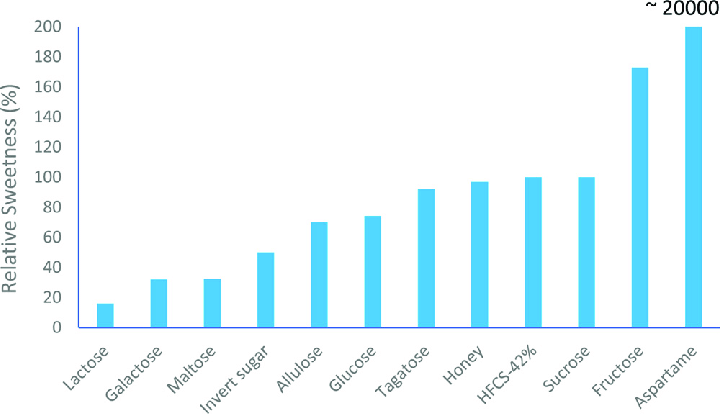
D-psicose (the fancy name for allulose) is often described as having a taste and texture remarkably similar to table sugar. However, it’s only about 70% as sweet, which is on par with erythritol, another popular sugar alternative.
Structurally, allulose is a monosaccharide, or single sugar, just like glucose and fructose. In contrast, table sugar (sucrose) is a disaccharide, meaning it’s made of glucose and fructose linked together. Interestingly, allulose shares the same chemical formula as fructose but has a unique arrangement, preventing your body from metabolising it in the same way.
Instead of being used for energy, about 70% of the allulose you consume is absorbed into your bloodstream but then exits through urine without being converted into fuel. Consequently, it doesn’t contribute to glucose metabolism in a conventional manner. But what exactly are the mechanisms that could make it such a crucial additive for those with diabetes?
Regulating Blood Sugar
Emerging research suggests that allulose may be a powerful ally in managing diabetes. Animal studies indicate that, by protecting the insulin-producing beta cells of the pancreas, it could help:
- Lower blood sugar levels
- Enhance insulin sensitivity
- Decrease the risk of type 2 diabetes
One study on insulin-resistant rats compared the effects of allulose, cellulose and a standard diet. After just seven weeks, the rats consuming allulose showed significantly improved insulin sensitivity.
However, it’s not just animal studies that have proven promising. In one human trial, 30 participants without diabetes consumed 50 grams of sucrose followed by either allulose or a placebo. Those who took allulose experienced a significant drop in blood sugar levels after 30 minutes compared to the placebo group, though the effect unfortunately didn’t persist over time.
While research is still in its early stages, these findings suggest that allulose could play a valuable role in blood sugar regulation. More studies, especially involving individuals with diabetes or prediabetes, are needed, but it’s safe to say that the evidence gathered so far is exciting!
Protecting Against Fatty Liver
Research in rats and mice suggests that allulose could also help reduce fat storage in the liver. This could prove extremely important as fatty liver, or hepatic steatosis, is closely linked to insulin resistance and type 2 diabetes.
In one study, obese mice with leptin deficiency who were given allulose for 15 weeks showed a significant reduction in total body fat and liver fat. Rather staggeringly, these changes occurred without any alteration to their diet or exercise routine.
There’s even promising evidence in humans, with a small study of 90 participants finding that taking allulose for 48 weeks improved fatty liver scores.
However, once again, while these findings are certainly encouraging, more controlled human studies are needed to fully understand the benefits of allulose.
Applications In Supplement Formulation
At Supplement Factory, we are more than a manufacturer. One key way we ensure this is through our expert formulation service. Our business development managers and award-winning formulators stay ahead of industry trends, crafting unique, original and highly effective solutions for our clients.
Recognising the powerful metabolic benefits of allulose, we’ve swiftly identified its potential as a strategic ingredient in a range of functional food and supplement products:
- Diabetic-Friendly Formulations: As a sugar alternative with minimal glycaemic impact, allulose is ideal for diabetes management supplements
- Sports Nutrition: Its ability to provide sweetness without spiking insulin levels makes it perfect for creating great-tasting endurance and performance-enhancing supplements
- Weight Management Products: Allulose’s potential to support insulin sensitivity and fat metabolism aligns with, as it perhaps rather obvious, the goal of weight loss and metabolic health supplements
It will certainly be fascinating to see how allulose shapes the future of supplement formulations worldwide. But, with that in mind, what are the current regulatory standards governing this sweetener?
Regulatory Considerations
Allulose is steadily gaining global recognition as a safe and innovative sweetener. It is already approved for use in several countries, including the United States, Japan, Mexico, Singapore, South Korea, Colombia, Chile, Costa Rica and the Philippines, where it enhances a variety of food and beverage products.
However, in the United Kingdom, the European Union and Canada, allulose is classified as a novel food, meaning it must receive regulatory approval before being legally used in foods and dietary supplements.
An application for its approval is currently under review by the UK’s Food Standards Agency (FSA). Until authorisation is granted, allulose remains unavailable for these markets.
The Bottom Line on Allulose
Allulose offers a powerful alternative to conventional sweeteners, with significant promise for supporting metabolic health. Its unique ability to reduce post-meal glucose spikes, boost insulin sensitivity and decrease hepatic fat buildup makes it an invaluable ingredient in supplement formulations, particularly with the growing prevalence of diabetes, obesity and metabolic disorders.
With innovation constantly driving the supplement industry forward, allulose is sure to appear in formulations in no time at all, and Supplement Factory is poised to lead the way in creating cutting-edge formulations that make a real difference.


Written by Supplement Factory
Our team of industry experts not only work towards producing the highest standards of sports and health nutrition products, but also lend their knowledge towards educating the industry on the latest advances in products, ingredients and formulations.
More by Supplement Factory