Eyebright Extract
Eyebright Extract, derived from the Euphrasia officinalis plant, is traditionally used for its benefits in promoting eye health and alleviating various eye-related conditions, including irritation and inflammation.


Anti-inflammatory

Metabolism

Skin health


Origin of Ingredient
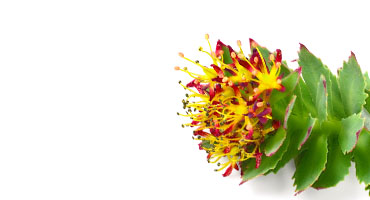
Eyebright Extract is sourced from the Euphrasia officinalis plant, which is native to Europe but also found in parts of North America and Asia. The plant grows in grasslands and meadows, thriving in well-drained soil. The aerial parts of the plant, including the leaves, stems, and flowers, are harvested and processed to extract the beneficial compounds.
History of Ingredient
Eyebright has a long history of use in traditional European herbal medicine, particularly for treating eye conditions. The name “eyebright” reflects its historical application in remedies for eye health. It was commonly used in poultices and infusions to alleviate eye strain, conjunctivitis, and other eye irritations. Over time, it has remained a popular herbal remedy for supporting vision and eye health.
Scientific Makeup of Ingredient
Eyebright Extract contains several bioactive compounds, including flavonoids, tannins, and iridoid glycosides. These compounds contribute to its anti-inflammatory, astringent, and antioxidant properties. The flavonoids and tannins help reduce inflammation and soothe irritated tissues, while the antioxidants protect the eyes from oxidative damage caused by free radicals.
Eyebright is said to be a potential cure for allergies and respiratory symptoms. The herb’s natural astringent-tannins and anticatarrhal properties may help minimize mucus secretion during colds and flu. Eyebright’s flavonoids and other anti-inflammatory components may aid in the treatment of: Seasonal allergies.
eyebright extract is commonly available as a dietary supplement. The FDA does not approve it for any specific medical condition, and it must be marketed with appropriate disclaimers regarding its status as a supplement.
In the EU, eyebright is also widely available as a herbal supplement. It must comply with the European Food Safety Authority (EFSA) regulations, including proper labeling and marketing claims.