Watercress
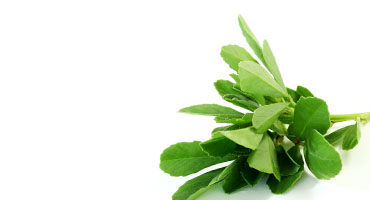
Watercress is a leafy green aquatic plant known for its peppery flavor and high nutrient content, often used in salads and garnishes to boost nutritional value and flavor.


Anti-inflammatory

Bone health

Immune system


Origin of Ingredient
Watercress (Nasturtium officinale) originates from Europe and Asia, thriving in cool, flowing streams and rivers. It has been cultivated for centuries and is now grown in many parts of the world, including North America and Australia, for both culinary and medicinal purposes.
History of Ingredient
Historically, watercress has been valued for its medicinal properties and culinary uses. The ancient Greeks, Romans, and Persians consumed watercress for its health benefits, particularly for improving digestion and enhancing overall vitality. Its use as a fresh, peppery addition to salads and dishes has continued through the ages, making it a staple in many traditional cuisines.
Scientific Makeup of Ingredient
Watercress is packed with essential vitamins and minerals, including vitamins A, C, K, and E, as well as calcium, magnesium, and iron. It also contains significant amounts of antioxidants, such as beta-carotene and lutein, which help protect cells from damage and reduce inflammation. The plant’s high nutrient density and low calorie content make it a valuable addition to a healthy diet.
Numerous studies have highlighted the health benefits of watercress. Its high levels of vitamin K support bone health by enhancing calcium absorption and bone mineralization. The antioxidants present in watercress help reduce inflammation and oxidative stress, contributing to overall health and the prevention of chronic diseases. Additionally, watercress is known to support the immune system due to its rich vitamin C content.
Watercress is widely approved for use in food products and dietary supplements in many countries, including the United States, the European Union, and various Asian nations. Legal claims about watercress include its benefits for overall health, antioxidant properties, and support for bone and immune health. Always ensure compliance with local regulatory guidelines when making specific health claims.