


23.05.2018
The History of Vitamins
2 mins
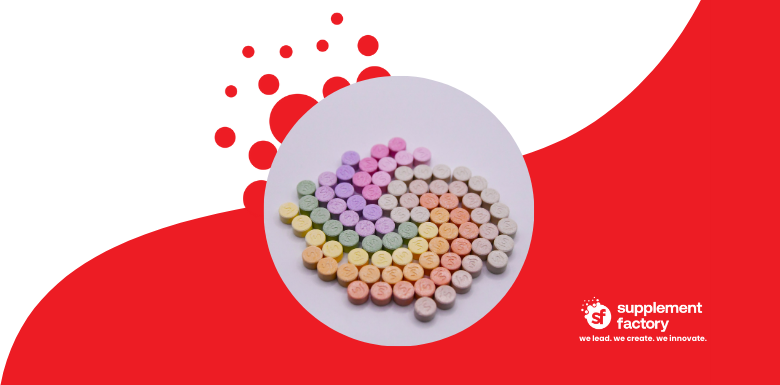

Vitamins are organic molecules essential in small amounts for the body’s proper metabolic function. Approximately half of UK adults regularly take multivitamins or other dietary supplements, according to a YouGov survey. As consumer awareness grows, the global vitamins market is projected to rise significantly, from $6.7 billion in 2023 to over $8.9 billion by 2028.
However, at the beginning of the 20th century, there were only three essential nutrients—proteins, carbohydrates, and fats—recognised within food. With poor hygiene practices contributing to the proliferation of diseases, people resorted to sanitizing their food to destroy bacteria before consumption. This led to the polishing of rice and grains, stripping away crucial B vitamins resulting in widespread vitamin B deficiency, leading to sores and nerve damage. Similarly, the sterilization of milk destroyed its vitamin C content, leading to a rise in scurvy.
The Discovery
In 1912, scientists set out to address health issues and discovered that food contained more than just the three known nutrients. Initially referred to as “accessory substances,” these compounds were later termed “vitamines” in scientific papers, before evolving into the word we use today: vitamins. Casimir Funk, who is credited with the discovery of vitamins, suggested that many diseases could be prevented or cured by ensuring these essential nutrients were present in the diet.
The discovery of vitamins sparked the introduction of various products to the market. Brand names like Vitamine, Double Strength Yeast, and Super Vitamins appeared on shelves, often featuring vitamin B from yeast along with other ingredients.
One of the leading products of the time was Mastin’s Yeast Vitamon Tablets, introduced in 1916, which closely resembled today’s multivitamins. They contained vitamins A, B, and C, along with iron, calcium, and Nux vomica, a homeopathic remedy for heartburn. The label boasted:
“This preparation contains vitamines together with other ingredients which should prove of value in helping to improve the appetite, aid digestion, correct constipation, clear the skin, increase energy, and, as a tonic, to assist in putting on weight in weakened, run down conditions due to malnutrition.”
In the 1920s, sales of vitamin A and C soared as the public adopted the belief that supplements containing vitamins also held other beneficial compounds. By 1922, multivitamin-type products were widely advertised as remedies for a range of issues, including pimples, blackheads, boils, constipation, malnutrition, nervous deficiency, physical exhaustion, brain fog, general weakness, and run-down conditions. These products promised to “loosen up slime and accumulated bile and clean the system,” consequently boosting energy and digestion, and helping weak or malnourished individuals gain weight.
Discovery date of specific vitamins
- 1910 – Vitamin B1 (Thiamine)
- 1913 – Vitamin A
- 1920 – Vitamin C; Vitamin D; Vitamin B2 (Riboflavin)
- 1922 – Vitamin E
- 1929 – Vitamin K1
- 1931 – Vitamin B5 (Pantothenic acid)
- 1934 – Vitamin B6 (Pyridoxine)
- 1936 – Vitamin B7 (Biotin); Vitamin B3 (Niacin)
- 1941 – Vitamin B9 (Folic acid)
- 1948 – Vitamin B12 (Cobalamins)
To learn more about vitamins and their potential health benefits, visit Supplement Factory’s ingredient site here.
Promotional Marketing
Vitamins were widely promoted through articles and advertisements in popular media outlets like McCall’s and Good Housekeeping. Within these articles, new terms for everyday food items were devised by marketers to emphasize their nutritional value:
- Cod-liver oil, rich in vitamin D, was touted as “bottled sunshine”
- Bananas were advertised as a “natural vitality food”
- Foods like yeast cakes, packed with B vitamins, were marketed for their scientifically proven nutritional benefits over taste and appearance
In 1942, Robert W. Yoder coined the term “vitamania” to describe the appeal of relying on nutritional supplements instead of obtaining vitamins through a balanced, diverse diet.
World War Two
As American men were drafted to serve in World War II, it was discovered that a third suffered from health issues linked to poor nutrition. In response, President Franklin D. Roosevelt established the National Nutrition Conference for Defense in 1941, leading to the creation of the first government-recommended daily allowances (RDAs) for six vitamins and two minerals.
In 1943, the first one-a-day multivitamin was introduced. By the 1950s, multivitamins had become widely available and were commonly promoted as a staple to be kept on the dining table for use at meal times.
Innovation
In 1973, MegaFood pioneered the production of vitamins made from real food, prompting other companies to follow suit by using plant-based ingredients instead of synthetic compounds and artificial additives.
Over time, as more nutrients and superfoods were discovered, they were incorporated into multivitamin blends. With the evolution of these products, regulations emerged to ensure they suited the public.
Today, consumers can choose from a wide range of options, including gluten-free, dairy-free, soy-free, vegan, and organic vitamins, tailored to suit individual needs. Many products are also designed for specific life stages, from childhood to old age, or target health concerns such as heart health.


Written by Supplement Factory
Our team of industry experts not only work towards producing the highest standards of sports and health nutrition products, but also lend their knowledge towards educating the industry on the latest advances in products, ingredients and formulations.
More by Supplement Factory